
AI Agent Tools for B2B Sales Company Research: Automate Prospect Discovery and Account Intelligence

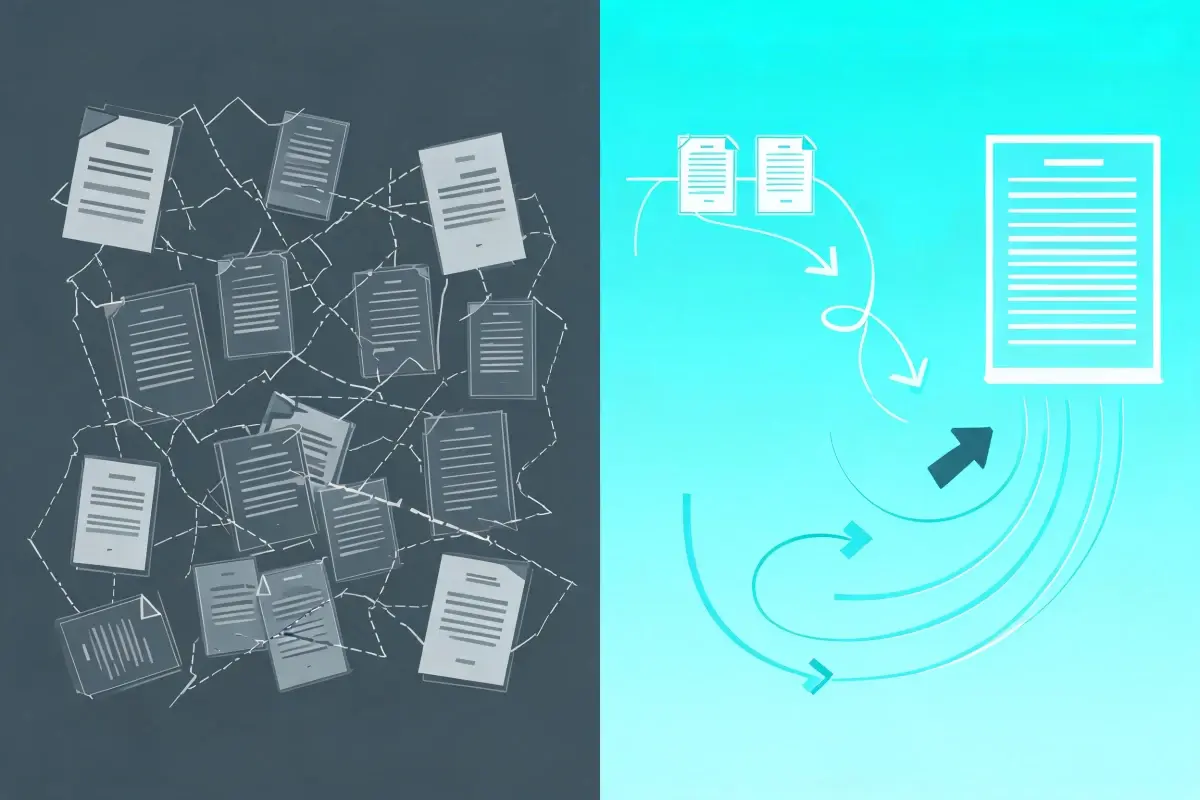
AI agent tools for B2B sales company research automate prospect discovery, firmographic data collection, account scoring, and lead qualification so sales teams can identify high-fit buyers faster and focus on high-value outreach. Instead of spending hours manually searching for company details, sales development reps and account executives can delegate repetitive research work to AI agents and use the saved time to build relationships and close deals.
What AI Agent Tools Do for B2B Company Research
At their core, AI sales intelligence agents for account research act as digital research assistants that scan public and licensed data sources to build complete profiles of target accounts. They follow structured research workflows, verify data points across multiple sources, and deliver summarized insights directly into your sales workflow.
Common capabilities include:
Automated firmographic data collection: company size, industry, location, revenue, and headcount
Technographic insights: software stack, tools used, and technology adoption signals
Trigger events: funding rounds, leadership changes, new office openings, and product launches
Contact discovery: relevant decision-makers, job titles, and verified contact details
Account scoring and grading: fit scores based on your ideal customer profile
CRM sync: researched data pushed directly to existing account records
These tools differ from basic data providers because they can follow conditional logic, prioritize accounts based on your sales strategy, and flag accounts that show immediate buying signals.

Illustrative overview of the four main use cases for AI-powered company research in B2B sales teams.
Core Use Cases for Sales Teams
Automated company research tools for B2B sales support multiple stages of the sales cycle. Here are the highest-impact use cases:
1. Territory Planning and Account Discovery
Field sales and SDR teams use AI agents to scan a geographic region or industry segment and build a prioritized list of target accounts. Instead of starting with a blank map, reps receive a ranked list of companies that match their ideal customer profile along with key background details.
2. Pre-Call Account Briefing
Before an outreach call or meeting, AI agents pull the latest company news, leadership changes, recent funding, and relevant business initiatives. Reps receive a one-page brief so they can walk into every conversation fully prepared.
3. Lead Qualification and Scoring
AI research agents compare incoming leads against your ideal customer profile and grading criteria. They flag high-fit accounts for immediate outreach and deprioritize accounts that don't meet baseline requirements, so your team spends time on the right opportunities.
4. Trigger-Based Outreach
Agents continuously monitor target accounts for buying signals such as new hiring, budget announcements, or technology changes. When a relevant event occurs, the agent alerts the assigned rep with context and suggested talking points.
Key Data Types to Look For in a Research Tool
The value of any AI research tool depends on the depth, accuracy, and freshness of the data it delivers. When evaluating options, check these data categories:
Data Category | What to Evaluate | Why It Matters |
|---|---|---|
--- | --- | --- |
Firmographics | Company size, industry, revenue, location, founding year | Determines basic fit with your ICP |
Technographics | Core software stack, recent tool changes | Signals compatibility and pain points |
Intent signals | Content consumption, product comparisons, search behavior | Indicates active buying interest |
Trigger events | Funding, layoffs, leadership changes, mergers | Creates timely outreach opportunities |
Contact data | Decision-maker titles, verification status, contact channels | Enables direct, personalized outreach |
Data freshness | Update frequency and verification methods | Prevents outreach based on outdated information |
Not every tool covers all categories equally well. Your team's sales motion will determine which data types are most critical. For example, field sales teams may prioritize geographic and firmographic data, while SaaS SDR teams rely heavily on technographics and intent signals.

Illustrative comparison of the main data types evaluated in B2B sales company research tools.
B2B Lead Research AI Agent Comparison: Evaluation Criteria
Comparing AI research tools can feel overwhelming because vendors position their products differently. Focus on these practical criteria to narrow your options:
Research Breadth and Depth
Determine whether the agent can research the specific attributes your team uses for prioritization. Some tools specialize in firmographics, while others emphasize intent data or contact quality. The best AI tools for B2B prospect research balance multiple data types with strong verification.
Automation vs. Human Oversight
Look for tools that automate repetitive research but keep humans in the loop for high-stakes decisions. The agent should flag uncertain data points, recommend next steps, and escalate accounts that need manual review rather than making autonomous sales decisions.
Integration With Your Sales Stack
A research agent delivers the most value when its findings flow directly into your CRM, outreach tools, and sales workflow. Check native integrations, API access, and the ability to export structured data in formats your team already uses.
Customization of Research Criteria
Your ideal customer profile is unique. The tool should let you define grading rules, priority signals, and research workflows that match your specific sales strategy rather than forcing you to adopt a one-size-fits-all approach.
Transparency of Sources
Trust in the data is essential. Reputable tools explain where their data comes from, how often it is updated, and what verification methods they use. Be cautious of tools that provide scores and rankings without clear methodology.
How to Choose the Right Tool for Your Team
Start by mapping your current research bottlenecks before evaluating specific tools. Here is a practical selection process:
Audit your current research workflow. Track how many hours per week your team spends on company research, which data points they collect manually, and where research gaps cause missed opportunities.
Define your must-have data types. Based on your ICP and sales motion, rank the data categories from the table above by priority. Focus on tools that excel in your top two or three categories.
Test with a real territory or segment. Run a pilot with a representative set of target accounts and compare the tool's output against what your team would have found manually. Measure accuracy, completeness, and time saved.
Evaluate the user experience. The most powerful tool delivers no value if your team avoids using it. Check whether the interface, alerting, and reporting fit naturally into your existing sales cadence.
Review governance and compliance. Ensure the tool follows data privacy regulations relevant to your markets and that you understand how data is collected, stored, and used.

Illustrative five-step process for evaluating and selecting the right AI company research tool for your sales team.
Getting Started With AI-Powered Company Research
You don't need to replace your entire sales stack to benefit from AI agent tools for B2B sales company research. Many teams start with a focused use case, measure the impact, and then expand automation gradually.
A practical starting point is to use AI research for one specific stage of your pipeline, such as initial account discovery in a new territory or pre-call briefing for outbound reps. This lets you quantify time savings and data quality before rolling the tool out more broadly.
As you scale, you can layer on additional capabilities such as trigger monitoring, account scoring, and CRM enrichment. The goal is not to replace human judgment in sales, but to remove the repetitive data-gathering work that keeps reps from having high-value conversations.
YTT AI's Sales Intelligence Specialist helps sales teams identify prospective buyers by market and purchasing criteria, with company profiles, scores, grades, and recommendation reasons that sales teams can review before adding accounts to their lead pool. To see how it fits into your research workflow, explore YTTAI Sales Master for your B2B sales workflow.
FAQ
What do AI agent tools for B2B sales company research actually do?
They automate the discovery, data collection, and scoring of target accounts by scanning multiple data sources, verifying key firmographic and signal data, and delivering summarized account insights so sales teams can focus on outreach instead of manual research.
How do AI sales intelligence agents differ from basic data providers?
Unlike static data lists, AI sales intelligence agents follow conditional research logic, prioritize accounts based on your ideal customer profile, monitor for trigger events, and can integrate dynamically with your sales workflow and CRM.
Which data types matter most when comparing the best AI tools for B2B prospect research?
Prioritize firmographics, technographics, intent signals, trigger events, contact data quality, and data freshness. The exact ranking depends on your sales motion, ICP, and the stage of the pipeline where you need research support.
Should AI research agents make autonomous sales decisions?
No. The most reliable tools automate repetitive data gathering and recommend next steps, but keep human reps in the loop for account prioritization, grading, and outreach decisions, with clear escalation for uncertain data.
Comments