

Sales Follow Up Email: Practical Templates, Examples, and Rules for B2B Teams

A sales follow up email is a targeted message sent after an initial touchpoint to move a B2B prospect forward, and it works best when it is context-specific, brief, and tied to the prospect’s stated needs. Whether you just finished a discovery call, sent a proposal, or have not heard back after your first outreach, the right follow-up can reopen a conversation, clarify next steps, and shorten your sales cycle.
The goal is never to pressure someone into replying. It is to remove friction, add value, and make it easy for the buyer to say yes to the next action. Below is a copyable starting template you can adapt quickly, followed by scenario-specific examples and rules that keep your outreach professional.
Basic sales follow up email template (first follow-up after a call)
Subject line: Next step on topic you discussed
Hi first name,
Thanks again for making time earlier today to walk through specific pain point or project. I enjoyed hearing how one detail they shared, such as “your team is evaluating tools to cut lead research time”.
As promised, I’m circling back with a short recap and one clear next step.
What we covered: one-line summary
What you wanted to explore next: their stated priority
What I’m recommending: specific next action, such as a 20-minute deep dive with your operations lead
Would day, time or day, time work better for a quick call? If neither fits, just send over a couple of options and I’ll adjust.
Best, your name your title
When to Send a Sales Follow-Up Email
Timing matters almost as much as the message itself. Send too soon and you can come across as pushy. Wait too long and the prospect may have already moved on to another solution or forgotten the original conversation.
The right cadence depends on where the buyer is in the journey. For an initial cold outreach sequence, spacing of two to four business days between touches is common in B2B sales, but always let context be your guide. If someone asked you to follow up next week, follow up next week—not the next day.
Here are the most common trigger moments for a sales follow up email:
Immediately after a discovery call or demo, within the same business day
After sending a proposal or quote, if no response arrives within the promised review window
After a missed call or no-show meeting, the same day or next business day
After a conference or networking conversation, within one to two business days
After a period of silence, to re-engage a deal that went quiet

Illustrative scene: planning when to send a sales follow up email based on trigger moments in the buyer journey.
Core Writing Rules for Effective Follow-Ups
Every strong personalized sales follow up shares a few traits. These rules keep your message short, relevant, and respectful of the buyer’s time.
Lead with context, not a generic opener
The first line should tell the reader exactly why you are writing and how you are connected. Reference a specific call, question, referral, or piece of company news so they do not have to guess who you are or why the email matters.
Keep it focused on one next step
A follow-up email is not a second full pitch. Pick one clear action you want the reader to take—book a call, review a document, introduce you to a stakeholder, or answer one question—and make that action easy to complete.
Add value instead of just checking in
“Just checking in” is one of the least effective lines in sales. Replace it with something useful: a relevant article, a one-page comparison, a quick answer to an open question, or a specific example tied to their business.
Keep the email scannable
Busy buyers skim. Use short paragraphs, bullet points, and a clear subject line. If your message looks like a wall of text, it is more likely to be archived or deleted.
Match the tone to the relationship
A first-touch follow-up should be professional and concise. A follow-up to someone you have spoken with several times can be more conversational. Adjust your voice, but stay consistent with your brand.
Follow-Up Email Examples by Common B2B Scenario
Below are four common B2B sales situations, each with a short example you can adapt. Use them as starting points and personalize the details before you send.

Illustrative detail: matching the right sales follow up email example to the buyer’s current situation.
1. B2B sales follow up email example after a discovery call
Subject: Recap + next step for project name
Hi first name,
Thanks for walking me through how team/department currently handles process or challenge. It was helpful to hear that specific pain point they mentioned is taking up most of your team’s week.
As we discussed, the fastest way to validate fit is a 25-minute walkthrough focused on specific area. I can show you exactly how other teams in industry have addressed the same issue.
Are you available day at time or day at time? If not, feel free to reply with a couple of times that work better.
Best, your name
2. Follow up email after no response to a proposal
Subject: Quick question on the proposal for project
Hi first name,
I wanted to follow up on the proposal I sent over on date for project or solution. I know priorities can shift quickly, so there is absolutely no rush on my end.
That said, I’d love to make sure I answered everything you needed. If you’re still evaluating, I’m happy to jump on a quick call to walk through any section or adjust the scope.
Just let me know what would be most helpful.
Thanks, your name
3. Follow-up after a no-show meeting
Subject: Missed you earlier today
Hi first name,
I noticed we didn’t connect for our call earlier. I know schedules get busy, so no worries at all.
I wanted to resend the calendar invite and offer a couple of new slots:
day, time
day, time
If neither works, just reply with a time that fits and I’ll confirm right away.
Best, your name
4. Re-engagement follow-up after a long silence
Subject: Catching up on topic
Hi first name,
It’s been a while since we last spoke about project or challenge. At the time, you mentioned timing might be an issue, so I wanted to circle back now and see if anything has changed.
If this is still on your radar, I’d be happy to share a quick update on what’s new since we last talked. If it’s not a priority right now, just let me know and I’ll follow up again in a few months.
No pressure either way.
Thanks, your name
Mistakes to Avoid in Sales Follow-Up Emails
Even a well-written sales follow up email can miss the mark if it falls into one of these common traps.
Sending too many follow-ups too quickly
A short cadence is fine, but daily emails will annoy most buyers and hurt your sender reputation. If you have sent several messages with no reply, pause and switch to a softer re-engagement tone or move the prospect to a longer-term nurture sequence.
Making the email all about you
The buyer cares about their problem, not your product features or quota. Frame every follow-up around their goals, constraints, and questions.
Using vague subject lines
“Following up” does not tell the reader anything. Use subject lines that reference a specific project, question, or next step so your email stands out in a crowded inbox.
Forgetting personalization
A generic sales follow up email template is a starting point, not a finished message. Always add at least one specific detail that shows you paid attention—their role, a recent company announcement, a challenge they mentioned, or a mutual connection.
Ignoring the reason for silence
There are many reasons someone may not reply: they are busy, the project is on hold, the budget was cut, or the email landed at the wrong time. Instead of assuming disinterest, give the buyer an easy way to say “not now” without feeling rude.
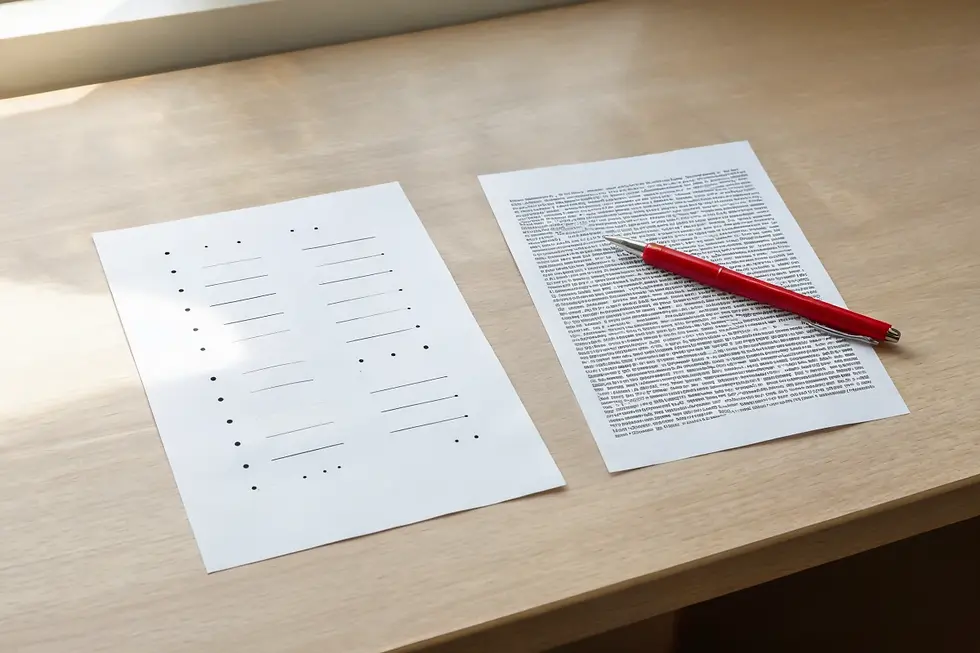
Illustrative comparison: a scannable sales follow up email performs better than a dense, hard-to-read message.
How to Scale Follow-Up Workflows Without Losing Personalization
As your pipeline grows, manually writing every personalized sales follow up from scratch is not sustainable. The goal is to scale consistency while keeping each message relevant to the buyer.
Start with a small library of approved templates for common scenarios—first follow-up, no response, post-demo, proposal follow-up, and re-engagement. Standardize structure and tone, but leave clear fields for personal details such as the prospect’s specific challenge, company context, and agreed-upon next step.
Assign clear ownership for follow-up tasks so nothing falls through the cracks. Track which templates and subject lines get the best response rates, and refine them over time based on real results. For teams managing larger prospect pools, a structured approach to scheduling, segmentation, and reporting can help you stay on top of follow-ups without sacrificing quality.
If you want to bring more structure to your outbound workflow, explore YTTAI Sales Master for your B2B sales workflow.
FAQ
How many follow-up emails should I send before stopping?
There is no single number that works for every deal. A common B2B approach is four to six well-spaced follow-ups with increasing value, then a final break-up email. Always let the prospect’s level of interest, stated timeline, and relationship with your team guide the cadence.
What is the best subject line for a follow up email after no response?
The best subject lines are specific and low-pressure. Reference a project, question, or past conversation so the reader immediately recognizes the context. Avoid vague phrases like “just checking in” because they give the reader no reason to open the email.
How do I personalize a sales follow up at scale?
Use templates for structure, but always fill in at least one specific detail about the prospect or their business—such as a recent company update, a stated pain point, or a mutual connection. For larger teams, define required personalization fields and review a sample of outgoing messages to maintain quality.
Comments