
Lead Generation for Industrial Machinery Manufacturers: A Practical B2B Growth Guide

Executive Summary: Industrial equipment makers face mounting margin pressures and lengthy sales cycles. Modern lead generation for industrial machinery manufacturers has shifted from passive trade shows to systematic digital qualification, technical content architecture, and automated multi-timezone pipeline response. This guide breaks down the operational anatomy of high-converting machinery pipelines, analyzing how leading producers resolve technical qualification bottlenecks and convert global engineering intent into qualified commercial pipeline.
Company Snapshot: The Modern Heavy Machinery Exporter
To understand modern demand generation in heavy industry, examine a representative mid-market European packaging and processing machinery manufacturer operating globally. With annual revenues between $45 million and $85 million, this typical producer builds continuous cartoning systems, rotary filling machines, and custom conveying integrations for food, beverage, and pharmaceutical processors across North America, Europe, and Southeast Asia.
The commercial model relies on high-ticket capital expenditures ($120,000 to $750,000 per asset) coupled with long-tail aftermarket spare parts and maintenance service contracts. Why is this profile critical for commercial analysis? Because mid-market machinery producers sit directly in the crosshairs of global competition: they cannot outspend multi-billion-dollar conglomerates on field sales forces, nor can they afford the high churn rates of consumer-facing businesses. Every qualified quotation requires rigorous engineering bandwidth, making inbound accuracy a decisive factor in operating margins.
What Industrial Machinery Manufacturers Actually Sell
In heavy machinery, enterprises do not merely sell fabricated steel, servomotors, and programmable logic controllers (PLCs). They sell operational throughput, line availability, overall equipment effectiveness (OEE), and regulatory compliance (such as FDA 21 CFR Part 11 or CE machinery directives).
The buying journey reflects this engineering complexity:
Multi-Stakeholder Buying Centers: A single equipment purchase involves plant managers evaluating floor footprint, maintenance directors reviewing MTBF (mean time between failures) and spare parts availability, safety engineers auditing interlocks, and procurement directors negotiating payment terms and milestone delivery schedules.
Lengthy Evaluation Windows: Capital evaluation cycles span 6 to 18 months, requiring continuous nurturing with technical datasheets, CAD step files, electrical schematics, and factory acceptance testing (FAT) documentation.
Geographic and Timezone Friction: Overseas buyers in Chicago, Frankfurt, or Singapore conduct research during their local business hours, often submitting requests for quotation (RFQs) when domestic commercial desks are closed.
The Core Business Problem: RFQ Friction and Lead Attrition
Historically, heavy machinery producers relied on triennial trade exhibitions (such as interpack, IMTS, or Pack Expo) to fill order books. When digital inquiries began replacing physical handshakes, legacy sales operations encountered acute structural failure points:
Slow Speed to Technical Response: An inbound RFQ containing detailed production rates and raw material specifications often languished in generic inbox queues for 3 to 7 business days while application engineers calculated cycle times.
Unqualified Engineering Drain: Up to 65% of raw website inquiries were student research requests, low-volume hobbyists, or component buyers seeking incompatible single-part replacements. Senior sales engineers spent critical hours reviewing unqualified blueprints.
Follow-Up Gaps in Overseas Export Markets: Cross-border leads suffered from dropped communication after initial quotation delivery. Sales representatives prioritized domestic accounts with immediate phone access, allowing international pipeline opportunities to stall.
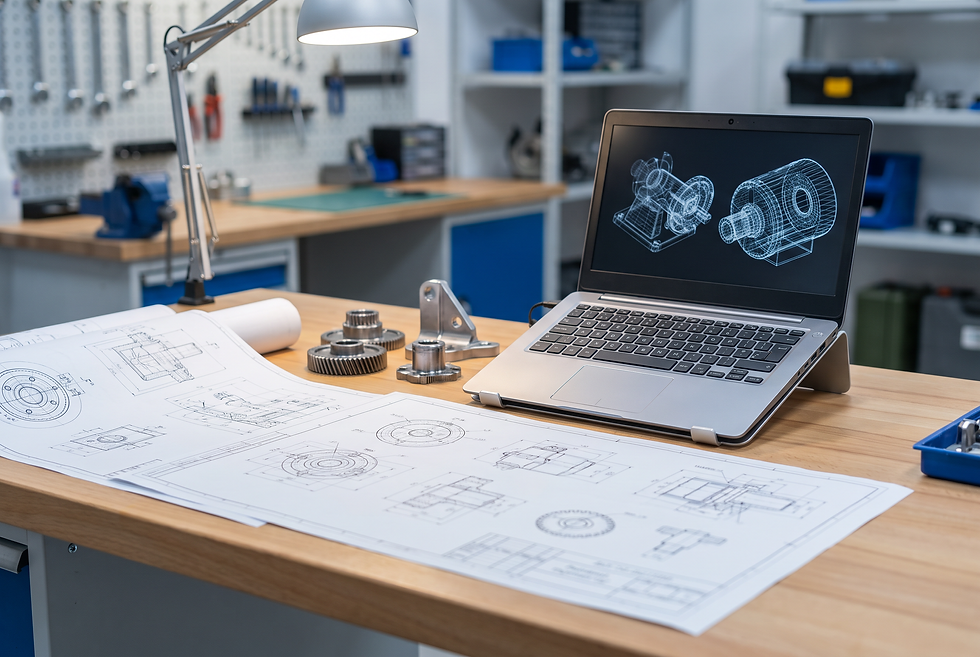
Fragmented Buyer Intent Signals: Engineering teams visited technical documentation and CAD download pages repeatedly without triggering commercial alerts for regional account executives.
What Changed: The Shift to Systematic Technical Demand Capture
Progressive equipment producers transformed their go-to-market architecture by transitioning from disconnected contact forms to an integrated, responsive commercial capture engine. Rather than treating website traffic as a static brochure, high-performing manufacturers implemented structured digital pathways tailored to industrial procurement behavior.
This transformation relies on four foundational operational pillars:
Interactive Application Selectors: Guided parameter filters allowing plant engineers to input package dimensions, line speeds, and factory power standards to identify matching machine series immediately.
Standardized RFQ Intake Pipelines: Multi-step digital portals that capture essential technical constraints (voltages, utility supplies, continuous vs. intermittent motion) before triggering application engineering reviews.
Real-Time Technical Response Layers: Automated dispatch of product capability statements, compliance documentation, and dimensional envelope drawings based on specific buyer categories.
Intent-Driven Sales Orchestration: Automated tracking of high-value account engagement across technical specs, spare parts catalogs, and case studies, routing high-intent buyers directly to regional export desks.
How the Industrial Machinery Lead Generation Workflow Actually Works
The modernized pipeline operates as a closed-loop system connecting initial discovery to engineering qualification and commercial proposal delivery. The process follows seven distinct stages:
Data and Traffic Ingestion: Prospective plant engineers land on application-specific landing pages via organic search for specialized operational search queries (e.g., high-speed rotary vial filling lines) or digital supplier directories.
Parameter Capture and Intent Classification: The buyer accesses a technical resource or uses an online line calculator. The system captures production targets (e.g., units per minute), container materials, facility certifications, and corporate domain metadata.
Automated Triage and Qualification: An automated qualification layer evaluates company size, industry vertical, project timeline, and parameter compatibility. Non-fit leads are routed to distributor catalogs, while high-value project inquiries are flagged for immediate commercial engagement.
Instant Technical Asset Provision: Within 90 seconds of form completion, the system delivers an automated, tailored application dossier containing relevant dimensional layout drawings, compliance certificates, and case benchmark data.
Human Engineering and Commercial Review: The regional Export Sales Director or Application Engineer receives a enriched profile containing project parameters, verified company metrics, and specific content engagement history, eliminating redundant discovery calls.
Consultative Video / CAD Alignment: The manufacturer conducts a milestone alignment call, presenting 3D digital twins or virtual line demonstrations to the buyer's cross-functional committee.
Systematic Multi-Touch Follow-Up: Automated reminders, technical FAQ dispatches, and milestone prompts maintain pipeline velocity throughout the 180-day quotation-to-purchase-order period.
Operational Comparison: Legacy vs. Modernized Machinery Lead Generation
Process Stage | Legacy Machinery Sales Model | Modernized Systematic Digital Engine |
Lead Intake | Static generic contact forms; unverified email addresses | Interactive application selectors and structured parameter forms |
Initial Response Time | 3 to 7 business days via human inbox triage | Under 5 minutes for technical dossier dispatch and classification |
Technical Qualification | Manual engineering review of incomplete RFQ specs | Automated validation of envelope, speed, utilities, and budgets |
Cross-Border Nurturing | Ad-hoc manual emails; high timezone friction | Structured multi-channel cadences mapped to buying stages |
Sales Team Utilization | 40% time spent filtering non-viable inquiries | 85%+ time spent on high-probability engineering proposals |
Data Visibility | Siloed spreadsheet logs with opaque pipeline stages | Centralized CRM tracking with intent signaling and attribution |
Evidence and Results from Modern Machinery Go-to-Market Deployments
Industrial manufacturers that systematically formalize their digital lead generation workflows document measurable operational improvements. According to peer-reviewed industrial marketing research and published B2B engineering sector benchmarks, streamlining technical qualification directly impacts top-line revenue velocity.
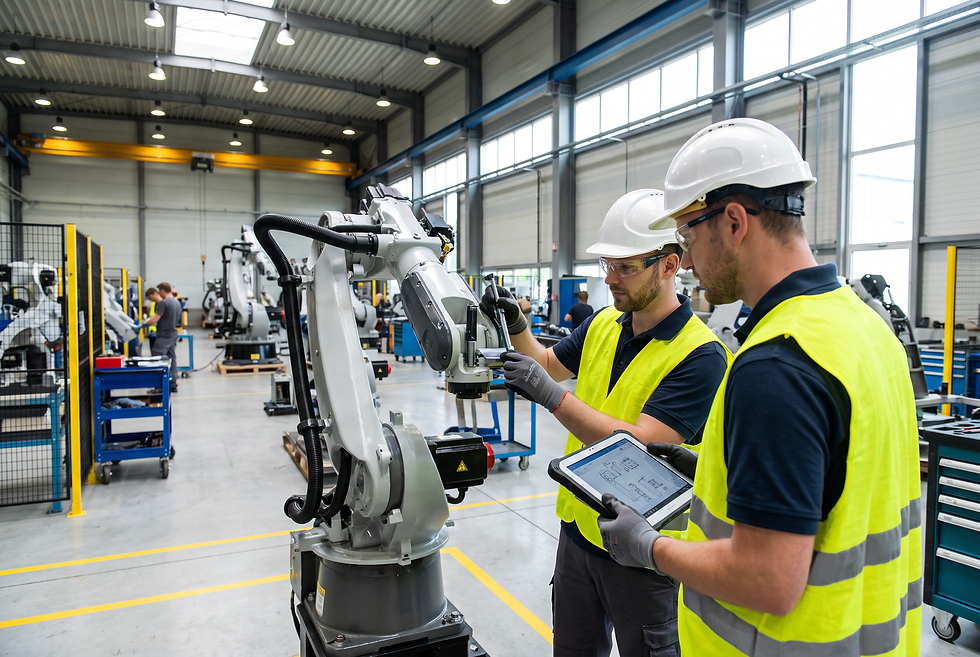
Quotation Turnaround Efficiency: A 2023 industrial manufacturing benchmark report indicated that machinery builders utilizing structured digital qualification reduced initial engineering consultation response times from 96 hours to under 4 hours.
Higher Win Rates on International Inquiries: Industry survey data from cross-border manufacturing councils shows that equipment vendors providing technical envelope data within 60 minutes of inquiry submission achieve a 2.4x higher inclusion rate in formal procurement shortlists.
Engineering Resource Optimization: Official case analyses from mid-market industrial automation vendors indicate that automating preliminary parameter intake frees up an average of 14 hours per week per application engineer, allowing technical staff to focus on complex custom integration designs rather than baseline data collection.
Strategic Principles Other Manufacturers Can Replicate
Any industrial equipment builder can implement this high-velocity demand model by focusing on four operational principles:
Eliminate Discovery Friction with Technical Depth: Industrial buyers are engineers, plant managers, and procurement professionals who value data over marketing rhetoric. Provide self-serve access to dimensional blueprints, utility requirements, and throughput calculations in exchange for verified project parameters.
De-link First Response from Office Hours: Overseas buyers will not wait for domestic business hours. Implement automated workflows that deliver preliminary technical validation and capability documentation immediately, regardless of timezone differences.
Protect Application Engineering Capacity: Treat engineering hours as high-value inventory. Establish rigid qualification boundaries that prevent custom CAD layout generation until commercial readiness and budget alignment are confirmed.
Build Long-Cycle Digital Cadences: Capital purchases take months. Establish structured follow-up sequences delivering preventative maintenance guides, payback calculators, and installation case studies to stay top-of-mind during protracted committee deliberations.
What This Looks Like for Specialized Machinery Sub-Sectors
This operating model adapts across specialized equipment manufacturing verticals:
For Packaging Machinery Manufacturers: Inbound qualification centers on packaging materials (film thickness, corrugated board grade), line speeds (packs per minute), and changeover flexibility. Automated qualification instantly flags incompatible material formats.
For CNC and Precision Metalworking Builders: Digital selectors focus on axis configurations, spindle speeds, maximum workpiece dimensions, and tolerance thresholds (micron-level accuracy), routing heavy aerospace project leads directly to senior technical specialists.
For Water and Wastewater Treatment Equipment Suppliers: RFQs require immediate capture of flow rates ($m^3/h$), influent chemical composition, and regional environmental discharge standards, immediately matching inquiries with standardized skid designs.
Operationalizing the Pipeline: AI Export Sales Rep Mapping
To execute continuous, multi-timezone lead generation for industrial machinery manufacturers without bloating fixed engineering overhead, equipment builders can deploy a dedicated digital role: the AI Export Sales Rep.
Worker Job Title: AI Export Sales Rep
Main Daily Tasks: Ingests cross-border technical inquiries 24/7; parses raw parameters from engineering RFQ attachments; validates utility specifications and production volume requirements; dispatches tailored product capability dossiers; schedules milestone engineering calls for regional sales directors.
Primary Work Channels: Corporate website RFQ portal, inbound technical inquiry inboxes, B2B messaging channels (such as WhatsApp Business for international buyers), and CRM integration layers.
Authority Boundary: Operates within predefined product specification libraries, pricing parameter guidelines, and regional territory rules. Automatically escalates custom engineering requests, non-standard material testing, and final price negotiations to human commercial leadership.
First Value Event: Successfully receiving an unformatted international RFQ at 2:00 AM, extracting technical parameters, validating application compatibility against machine capacity tables, and delivering a verified project brief to the Export Director before the start of the domestic business day.
Daily Report Result: A structured summary detailing total inbound inquiries processed, qualified project opportunities segmented by target territory, flagged engineering edge cases requiring manual review, and upcoming buyer consultation milestones.
FAQ
Why is lead generation for industrial machinery manufacturers different from standard B2B software sales?
Industrial machinery sales involve physical installation constraints, complex utility requirements (voltage, pneumatic, hydraulic), high capital expenditure thresholds ($100k-$1M+), multi-stakeholder buying committees (engineering, plant operations, safety, procurement), and lengthy 6-to-18-month evaluation timelines. Standard high-volume software tactics fail because machinery leads require technical parameter validation before commercial qualification.
How can machinery manufacturers generate qualified leads without overloading their engineering department?
Manufacturers can protect engineering capacity by implementing structured RFQ intake forms and automated qualification workflows. By validating critical parameters (such as production speed, workpiece dimensions, material compatibility, and budget) upfront, non-viable inquiries are filtered out automatically, ensuring application engineers only review high-probability commercial projects.
What is the most effective digital content for capturing capital equipment buyers?
The highest-converting content assets for industrial machinery buyers are technical specifications, downloadable CAD/STEP layout files, OEE and ROI calculation models, factory acceptance testing (FAT) checklists, and detailed application case studies demonstrating verified operational throughput in comparable manufacturing environments.
How does an AI Export Sales Rep assist machinery manufacturers in international markets?
An AI Export Sales Rep operates 24/7 across multiple timezones to immediately acknowledge international inquiries, parse engineering RFQ parameters, provide localized product capability documentation, and pre-qualify prospective buyers before handing the ready-to-quote opportunity to human regional export directors.
Scale Your Global Machinery Pipeline with Autonomous Qualification
Eliminate RFQ response lag and capture qualified international manufacturing buyers 24/7. Discover how an AI Export Sales Rep automates technical lead triage, validates production parameters, and accelerates high-value machinery proposals across global markets.


Comments