
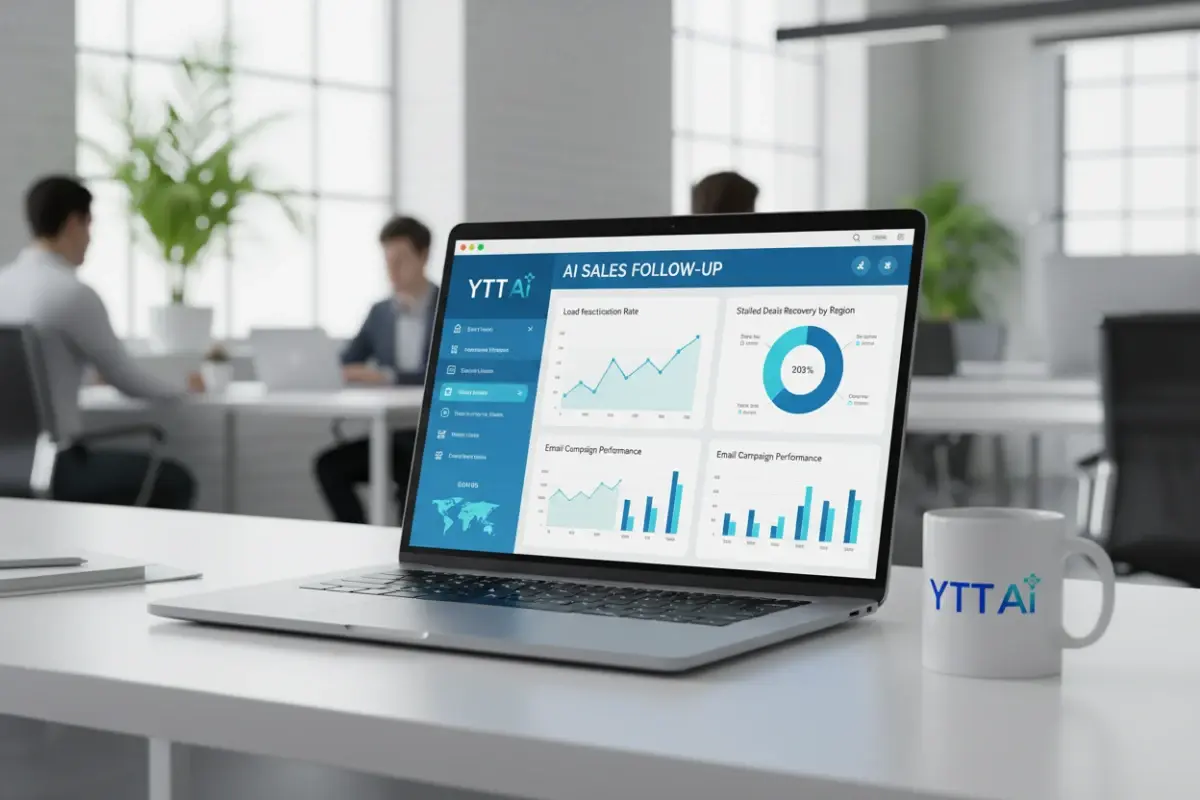
AI Sales Follow-Up: How to Recover Stalled B2B Deals and Reactivate Dormant Leads

AI Sales Follow-Up: How to Recover Stalled B2B Deals and Reactivate Dormant Leads
Direct Answer: AI sales follow-up uses autonomous AI agents to continuously engage, nurture, and re-activate stalled B2B inquiries and post-quote leads. By combining multi-language support, deep product context, and CRM integration, it ensures no lead is forgotten while seamlessly routing high-intent buyers back to human sales representatives.
What Is AI Sales Follow-Up and How Does It Work?
Traditional sales follow-ups rely heavily on manual tracking, reminders, and repetitive templates. In contrast, AI sales follow-up introduces autonomous, context-aware intelligence into your B2B sales pipeline. Instead of sending generic, rigid sequences, an AI-powered sales system reads the history of a client relationship, understands complex product details, and crafts personalized responses based on user intent.
When a prospect requests a quote for highly technical equipment—such as custom injection molds, industrial generators, or high-voltage switchgear—they often have follow-up questions regarding technical specifications, compliance, or lead times. An AI sales follow-up system integrates with your internal knowledge base and product catalogs. It can automatically generate a contextually relevant response, answer complex technical queries, and check inventory levels, acting as a highly efficient assistant to your global sales division.
This technology bridges the gap between marketing interest and closed sales. It operates across multiple channels, including email, WhatsApp, and WeChat, ensuring that overseas buyers receive immediate, accurate replies in their native languages, regardless of time zone differences.
The Cost of Ignored Leads: Why Manual B2B Follow-Up Falls Short
In B2B industries like manufacturing and industrial supply, long sales cycles are the norm. Sales reps are often overwhelmed by incoming Requests for Proposals (RFQs). Naturally, they prioritize "hot" active opportunities, leaving older, cooler, or slower-moving leads unattended.
Research and forum discussions on Reddit reveal severe buyer pain points regarding supplier responsiveness. Buyers frequently complain about waiting days for a revised quote, getting incorrect part numbers on technical drawings, or receiving no follow-up after an initial inquiry. When high-value prospects go quiet, a busy salesperson rarely has the time to send more than one or two manual follow-up emails before moving on.
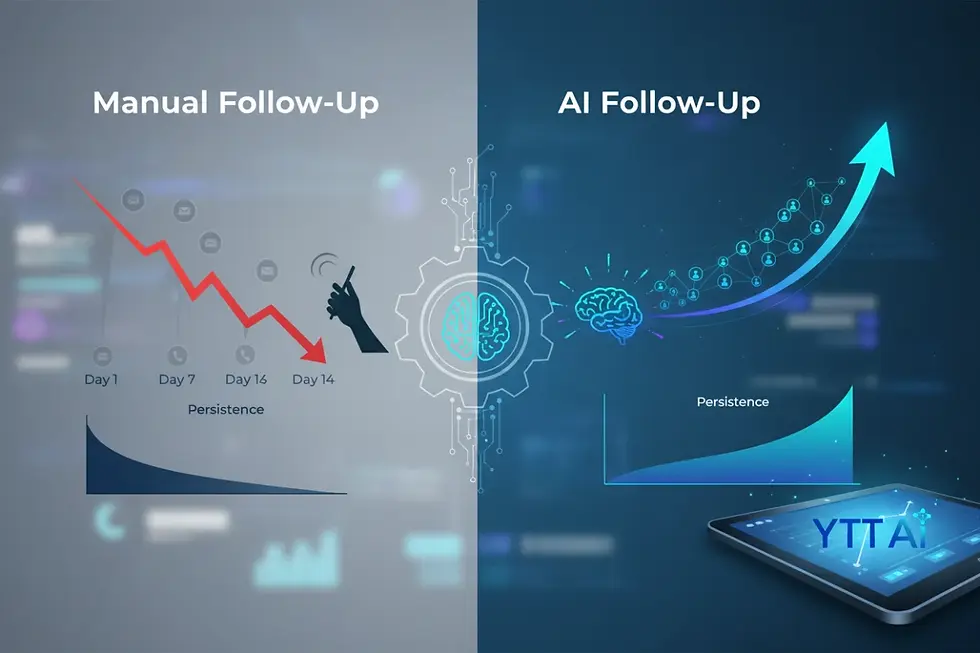
Standard automated email platforms offer limited relief. While they can schedule a sequence of generic templates, they lack the intelligence to interpret a complex reply. If a prospect replies, "We are delaying this project until Q3 due to budget constraints," a standard tool will either stop the sequence completely or, worse, continue sending irrelevant messages. This is where manual outreach falls short and why B2B sales automation powered by conversational AI is essential for protecting your pipeline from leakage.
Core AI Follow-Up Workflows for Manufacturers and Exporters
To effectively bridge the gap between initial inquiry and closed deal, global exporters must deploy targeted re-engagement strategies. Below are three core workflows optimized for complex sales processes:
1. Post-Quote Engagement
When a sales rep sends a quote for a custom run of industrial machinery or precision parts, the deal often hangs in limbo. Utilizing dedicated quote follow-up software features, the AI can detect when a quote has been opened but not responded to within 48 hours. The AI initiates a gentle, helpful touchpoint—not just asking "Have you decided?" but offering additional technical resources, compliance certificates, or case studies relevant to the specific product quoted.
2. Dormant Lead Recovery
Almost every manufacturer has thousands of old contacts sitting in their CRM. A specialized dormant lead recovery workflow systematically reaches out to these cold accounts. The AI agent analyzes previous purchase histories or old inquiries and launches conversational campaigns. For example, it might say: "We worked with you last year on a custom precision machining project. We’ve recently upgraded our tolerances to 0.005mm—are you working on any new designs that require this level of precision?"
3. Missing RFQ Information Chasing
B2B buyers frequently submit incomplete RFQs, omitting critical details like material grades, electrical certifications (such as 25kV ratings), or target delivery dates. Rather than letting these leads stall, the AI automatically analyzes the incoming RFQ against necessary technical parameters and systematically prompts the client to provide the missing specifications.
Human-in-the-Loop: Defining the Boundaries Between AI and Your Sales Team
One of the most common concerns for B2B executives is brand safety. If an AI agent operates autonomously, how do you prevent it from misinterpreting a client's request or offering unauthorized discounts?
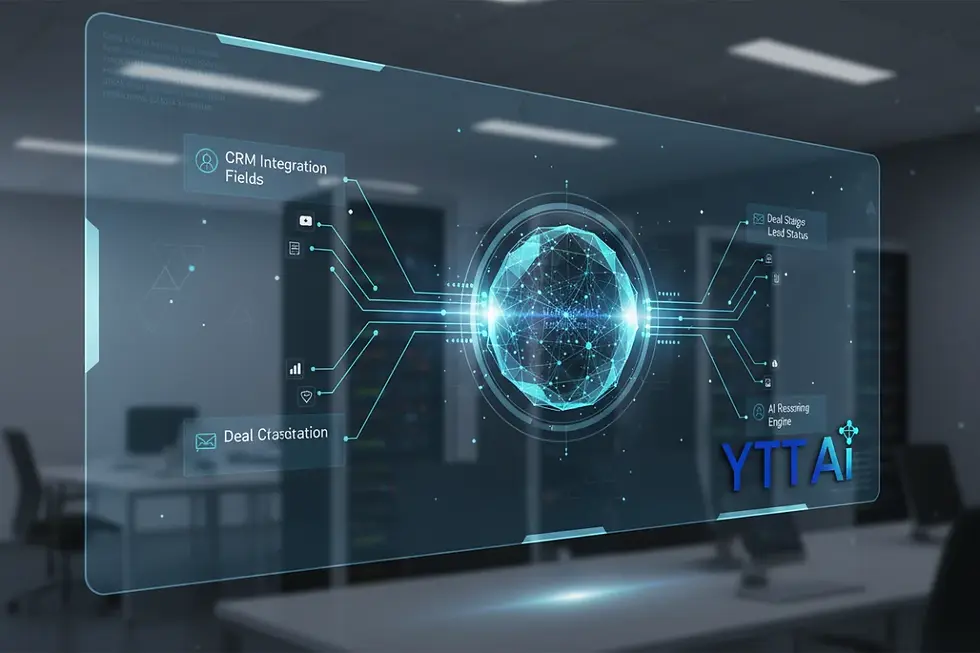
The solution lies in a robust "Human-in-the-Loop" (HITL) framework. AI sales follow-up is not designed to replace your human sales representatives; it is designed to supercharge them. You can configure precise boundaries for what the AI can do independently and when it must hand off the conversation to a human:
Autonomous Operation: The AI can independently handle initial follow-ups, gather missing contact info, verify basic company fit, and send technical documentation.
Draft-and-Approve Mode: For sensitive stages (such as post-negotiation follow-ups or complex custom pricing clarifications), the AI drafts the follow up email inside your CRM. The account manager receives a notification, reviews the draft, makes manual adjustments if necessary, and clicks "Send."
Instant Handoff Escalation: If the prospect displays buying signals—such as asking for a face-to-face video call, requesting a final contract draft, or raising a complex technical objection that isn't in the knowledge base—the AI immediately alerts the assigned account manager and pauses its autonomous sequence.
Data Mapping: Essential CRM Fields Needed for AI Follow-Up Success
For B2B sales automation to work seamlessly, your AI agent needs clean, structured data. Without correct inputs, the AI cannot personalize messages or trigger the correct workflows. Ensure your CRM (such as HubSpot or Salesforce) maps the following key fields:
CRM Field Name | Description / Purpose for AI Agent |
|---|---|
:--- | :--- |
Lead Intent Score | Generated by tracking website visits and document downloads. Helps AI prioritize follow-up frequency. |
Quote Status | Indicates whether a quote is Drafted, Sent, Viewed, or Expired. Triggers post-quote workflows. |
Product Category Context | Specifies the exact machinery, parts, or services requested, allowing the AI to pull correct technical specifications. |
Days Since Last Contact | Tracks elapsed time since the last meaningful interaction to prevent over-messaging or lead neglect. |
Client Native Language | Dictates the language the AI should use for translation and localization of all communications. |
By ensuring these data fields are continuously synchronized, your AI system will always deliver the right message at the absolute optimal moment in the buyer's journey.
Measuring ROI: Key Performance Indicators (KPIs) for AI Re-engagement
To prove the business value of your automated systems, B2B sales leaders must track a dedicated set of re-engagement metrics. Relying on simple email open rates is no longer sufficient. Focus on these bottom-line KPIs:
Pipeline Reactivation Value: The total monetary value of deals that were marked as "Closed-Lost" or "Stalled" but were moved back to active pipeline stages through AI outreach.
Inquiry-to-RFQ Conversion Rate: The percentage of raw website inquiries that successfully convert into qualified RFQs after automated AI nurturing.
Response Response Time (Speed-to-Lead): The average time it takes for a customer's follow-up question to receive an accurate, context-rich response (AI reduces this from hours or days to under five minutes).
Human Sales Hour Savings: The hours of manual draft writing saved by your sales team each week, allowing them to spend more time on face-to-face negotiations.
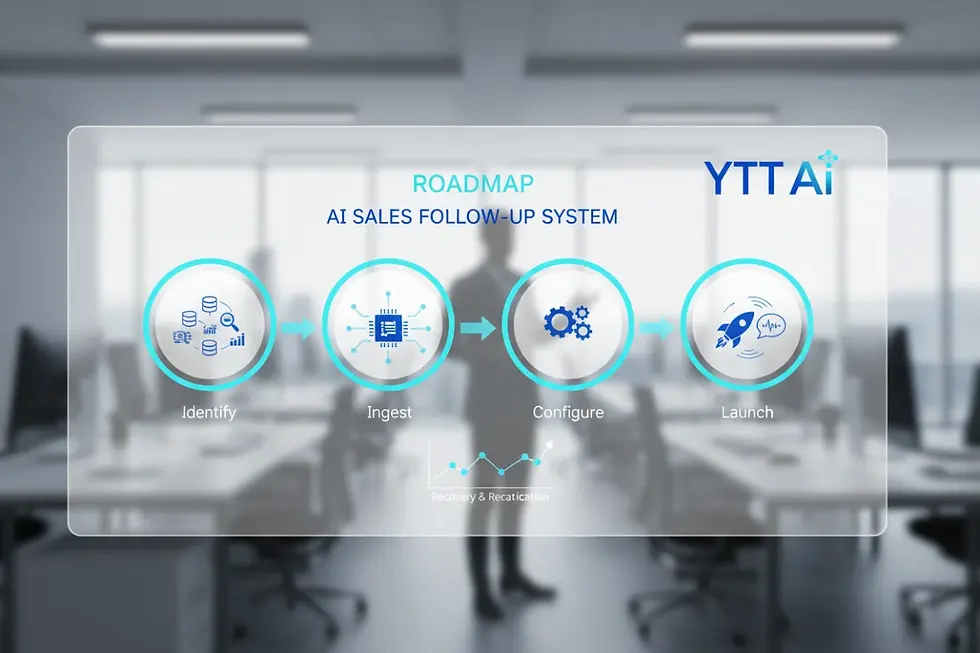
How to Launch Your AI Sales Follow-Up System in 4 Simple Steps
Ready to eliminate lead neglect and reclaim lost revenue? Implementing an automated follow-up system is more straightforward than it sounds:
Identify Stalled Pipelines: Audit your CRM and pull a segment of leads that have not been contacted in over 30 days, or quotes that have remained unresponsive for more than a week.
Upload Product & Sales Knowledge: Feed your AI sales follow-up tool with your company’s product catalogs, technical spec sheets, shipping policies, and successful historical email exchanges.
Define Rules of Engagement: Establish clear triggers (e.g., "If a quote is sent and no reply is received within 3 days, trigger Post-Quote Workflow 1") and set your Human-in-the-Loop parameters.
Launch in Shadow Mode: Run the AI in draft mode for the first 14 days. Let your sales team review and approve the outgoing messages. Once the team is confident in the AI's accuracy and tone, transition to fully automated follow-up for early-stage leads.
Don't let valuable B2B inquiries slip through the cracks of a busy inbox. Take control of your sales pipeline, reduce response times to minutes, and systematically turn silent prospects into active buyers.
Are you ready to see how much hidden pipeline is sitting in your CRM? Request a dormant lead recovery assessment today and discover how YTTAI can help you build an automated system tailored for manufacturing, exporting, and complex industrial sales.
FAQ
What is AI sales follow-up, and how does it differ from traditional email templates?
Traditional email templates are rigid and send predefined messages regardless of context or buyer replies. AI sales follow-up reads the complete history of a client relationship, integrates with your CRM and technical product database, and generates personalized, multi-lingual responses based on the prospect's actual intent.
Can AI safely handle technical sales questions for industrial manufacturers?
Yes. By training the AI on your specific product spec sheets, PDFs, and historical quotes, the system can accurately answer technical inquiries. With a Human-in-the-Loop approval system, sales reps can always review and edit the draft before it reaches the buyer.
How does quote follow-up software integrate with our existing CRM?
Our solution integrates directly with leading CRMs like HubSpot and Salesforce. It monitors field changes—such as when a quote is updated to 'Sent'—and automatically schedules intelligent follow-up sequences, keeping your data synchronized.
What are the core metrics used to evaluate a dormant lead recovery campaign?
The primary metrics are Pipeline Reactivation Value (the value of old leads returned to active status), Inquiry-to-RFQ conversion rate, overall response rate, and the manual hours saved by your sales representatives.


Comments