
Trade Show Follow Up for Industrial Companies: Retaining Context

To execute effective trade show follow up for industrial companies without losing context, commercial teams must connect badge scanning, conversation audio or notes, and technical specifications directly into an enriched account record within 48 hours. By standardizing qualification criteria, maintaining human-guided follow-up cadences, and tracking post-event engagement, industrial manufacturers transform fragmented booth discussions into qualified, revenue-generating commercial opportunities.
Why Industrial Trade Show Leads Go Cold
Industrial machinery and automation trade shows represent substantial capital expenditures. Companies invest significant budgets in booth real estate, machine transport, travel, and staffing. Yet, according to Salesforce's State of Sales report (2023), over 50% of B2B event leads are never contacted or receive only generic outreach weeks after the event.
In manufacturing and engineered equipment sectors, sales cycles are technical and multi-stakeholder. Booth visitors range from production engineers seeking specific torque tolerances to procurement managers auditing supplier resilience. When field sales representatives return with stacks of business cards and fragmented paper notes, crucial engineering nuances get lost. Standard marketing automation systems often trigger generic blast emails, eroding the rapport built on the exhibition floor.
When post-event communication ignores specific technical pain points discussed in person, prospective buyers perceive the vendor as disorganized, extending evaluation timelines or causing deals to stall entirely.
The Framework for Trade Show Follow Up for Industrial Companies
Preserving conversation context requires a structured progression from physical badge scanning to active pipeline progression. Industrial organizations that excel in conversion follow a seven-stage operating model.
1. Badge and Card Capture
Capture data immediately using digital badge scanners or mobile card scanning tools. Field staff must capture primary contact coordinates alongside immediate tag markers designating product line interest, facility location, and project timeline.
2. Account and Firmographic Enrichment
Raw booth data rarely contains full enterprise context. Modern commercial teams enrich contact details with parent company hierarchies, manufacturing plant locations, current machinery installations, and annual production volumes before delegating accounts to sales engineers.
3. Conversation Note Synthesis
Engineers and sales directors must capture voice memos or shorthand notes immediately following booth meetings. Crucial data points include existing machinery bottlenecks, operational cycle times, replacement timelines, and internal technical stakeholders not present at the event.
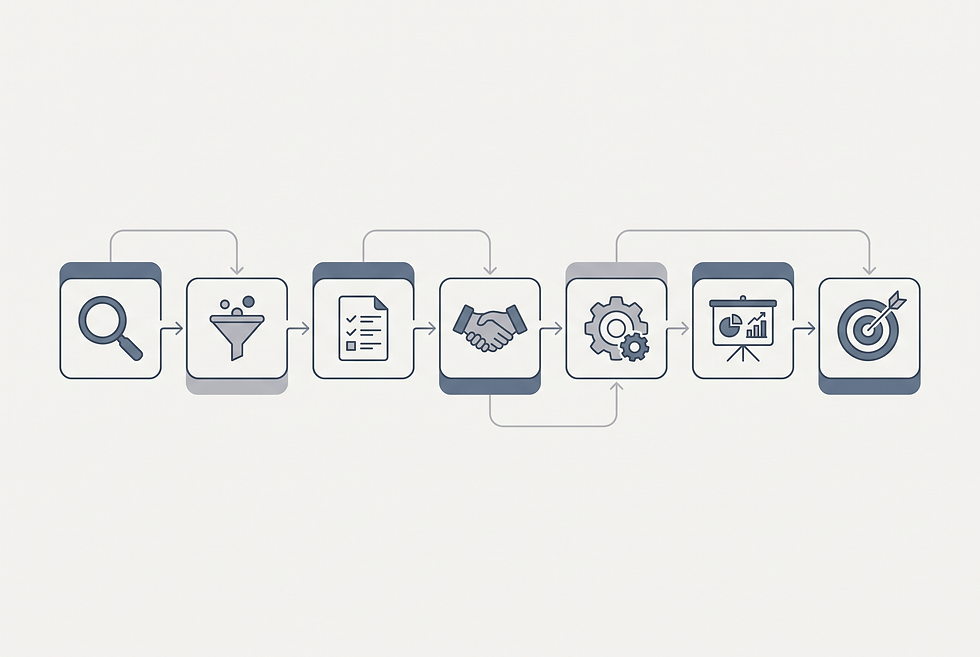
4. Algorithmic and Commercial Prioritization
Not all booth visitors warrant equal response speed. Classify contacts into distinct tiers based on technical urgency, budget authority, and project deployment schedules to ensure commercial resources focus on high-probability opportunities.
5. Tailored Follow-up Execution
Generic follow-up emails fail in industrial sales. Outreach must directly reference the exact machine model, production constraint, or application challenge discussed during the exhibition, attaching relevant specification sheets or engineering whitepapers.
6. Concrete Next Actions
Every communication must propose a concrete next milestone: a plant audit, technical feasibility assessment, or CAD drawing review. Clear call-to-actions prevent open-ended email threads from dissipating.
7. Structured Opportunity Tracking
Transition the conversation into an active CRM opportunity with assigned account executives, technical sales support, and scheduled review milestones.
Comparing Traditional Post-Show Workflows vs Context-Preserving Systems
The following table outlines the operational shift required to transition from manual, error-prone event follow-up to a high-fidelity commercial workflow.
Workflow Stage | Traditional Industrial Approach | Context-Preserving Commercial Workflow |
Data Collection | Paper business cards, disparate badge scanner CSVs exported 5 days post-event | Instant mobile scan synced to centralized repository with timestamped tags |
Note Capture | Handwritten margin notes deciphered days later with missing details | Voice-to-text synthesis capturing technical specs, capacity requirements, and RFQ hints |
Account Context | Basic company name and email with no insight into manufacturing footprint | Automated enrichment adding plant sites, product focus, and annual revenue scale |
Lead Triage | Alphabetical distribution or territory dumping without clear prioritization | Objective scoring based on project timeline, technical fit, and buying authority |
Follow-up Timing | 7 to 14 days post-show via generic corporate marketing blast | 24 to 48 hours post-show with tailored technical recap and asset attachments |
Human Approval Boundary | Unmonitored individual rep messaging or disconnected email templates | Structured human sign-off on custom engineering proposals, pricing, and scope |
Establishing Human-in-the-Loop Governance
While digital workflows and sales intelligence platforms drastically compress administrative workload, industrial capital sales demand stringent human oversight. Autonomous outreach without expert validation introduces commercial risk.

Engineering leadership and sales directors must maintain explicit approval gates across critical decision nodes:
Pricing and Commercial Quotations: Standard budgetary estimates and formal commercial bids must always be reviewed by sales leadership prior to dispatch.
Technical and Tolerance Commitments: Any performance guarantees, warranty terms, or custom fabrication capabilities must receive engineering sign-off.
Contractual Terms and Compliance: Export control validation, non-disclosure agreements, and terms of service require direct executive verification.
Leveraging platforms like YTTAI allows industrial exporters to maintain a persistent "Sales Memory" across global commercial touchpoints. By retaining conversational nuances and automating background account research, field teams can draft accurate, context-rich proposals while preserving complete human control over final customer commitments.
Four-Step Implementation Checklist for Commercial Directors
Commercial leaders can deploy this post-event methodology across upcoming international trade fairs using a disciplined four-step cadence.
Pre-Show Alignment: Establish standard tagging schemas across your booth team before the exhibition begins. Define mandatory data fields, including current machinery used, anticipated purchase horizon, and target production volume.
Daily Evening Triage: Conduct a 15-minute booth debrief at the conclusion of each show day. Cleanse collected contacts, log audio summaries, and assign Tier-1 leads for next-morning prioritization.
Segmented Multi-Channel Cadence: Launch tailored technical follow-ups within 48 hours of booth engagement. Ensure initial messages deliver immediate value—such as application notes or case studies—rather than aggressive meeting demands.
Post-Event Pipeline Audits: Review opportunity conversion rates at 30, 60, and 90 days. Measure not merely badge counts, but pipeline velocity, discovery call conversion, and qualified RFQ generation.
For industrial machinery and automation exporters aiming to scale international distributor networks and direct accounts, adopting an agile, intelligence-driven sales workflow via the YTTAI platform ensures no high-value trade conversation slips through administrative cracks.
FAQ
How quickly should industrial companies follow up after an exhibition?
Industrial companies should initiate tailored follow-up within 24 to 48 hours for high-priority leads with immediate project requirements. Secondary leads should be engaged within 5 business days before conversation context and competitor awareness fade.
What information is essential to capture during an industrial trade show conversation?
Booth teams must record the prospect's current equipment setup, specific production bottlenecks, project budget timeline, key engineering decision-makers, and any custom technical parameters discussed during the meeting.
How do sales teams prevent post-expo leads from slipping through the cracks?
Teams prevent lead loss by standardizing daily booth data entry, integrating mobile scanning with automated firmographic enrichment, establishing clear lead scoring tiers, and enforcing mandatory human approval checkpoints for technical follow-ups.
Accelerate Your Global Trade Show Pipeline
Discover how AI-powered sales workflows and persistent account memory help industrial manufacturers convert event conversations into qualified enterprise opportunities.


Comments